What Are AI Coding Assistants?
AI coding assistants are software programs that help developers by providing intelligent code suggestions, autocomplete options, and real-time debugging. They’re powered by large language models (LLMs) trained on extensive coding data, so they understand different programming languages, syntaxes, and even common bugs or best practices. By automating these tedious tasks, AI tools help developers focus on higher-level problem-solving, saving time and improving code quality.
Why Use AI Coding Assistants?
AI coding assistants not only boost productivity but also enhance the quality of code. They minimize common errors, reduce the time spent on debugging, and assist with complex algorithms or less familiar languages. The best AI coding assistants go beyond just autocompletion by recommending code improvements and enforcing best practices. With tools like CodeGex vs Copilot, developers can compare features to find a tool that aligns with their needs. AI coding tools have a range of applications across different industries, especially those emphasizing secure code.
The 10 Best AI Coding Assistants for 2024
Here’s a list of the best AI tools, covering their features, pricing, and how they contribute to the growing AI coding assistant market.
1. GitHub Copilot
GitHub Copilot, developed by GitHub and OpenAI, is arguably the best AI assistant for general-purpose coding. It integrates with IDEs like Visual Studio Code to offer code suggestions as you type. It’s known for its vast language support, including Python, JavaScript, and TypeScript. Generative AI coding assistants like Copilot can provide entire functions and help identify bugs, and they learn from user inputs to improve over time. Starting at $10/month, it’s accessible for individual developers and free for students.
2. Tabnine
Tabnine is a popular AI coding assistant that prioritizes privacy by offering local models, making it ideal for companies with sensitive data. Supporting over 80 languages, Tabnine provides context-aware code suggestions, whether you’re coding in JavaScript, Python, or Java. Its team-trained models ensure that suggestions align with the project’s coding standards. Tabnine’s free version is robust, with premium plans starting at $12/month, providing privacy controls that other generative AI coding assistants may lack.
3. Cursor AI
Cursor AI is known for its ability to reduce repetitive coding tasks, making it a top choice among AI tools. It features autocompletion and syntax error detection, which helps prevent common mistakes. Cursor AI is easy to use and includes collaborative features, allowing teams to troubleshoot and code together. With a free hobby plan and advanced options starting at $20/month, Cursor AI is great for individuals and teams alike.
4. Sourcegraph Cody
Sourcegraph Cody stands out as an enterprise-focused AI assistant with advanced code search capabilities, perfect for large codebases. With cross-repository code search and privacy controls, it’s well-suited for teams handling multiple projects. The best AI tools like Cody allow developers to navigate extensive code repositories efficiently, making it a valuable asset in enterprise settings. Its Pro and Enterprise Plans begin at $9/month.
5. Replit Ghostwriter
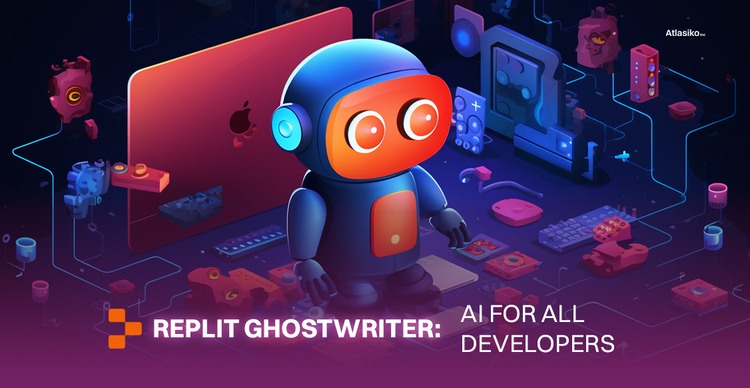
Replit’s Ghostwriter is unique because it provides an in-browser generative AI coding assistant experience. Ghostwriter assists with code suggestions and debugging, making it great for real-time collaboration. Known for its multiplayer mode, it’s ideal for developers looking for both coding assistance and an easy-to-use cloud environment. Replit Ghostwriter’s Core and Team Plans start at $10/month, making it accessible to a wide range of users.
6. Codiga
Codiga, an AI coding assistant that specializes in code quality and best practices, offers static code analysis to improve overall project standards. It autocompletes code and identifies issues, so developers maintain clean and efficient codebases. Codiga’s free tier offers excellent functionality, and team plans allow for even more robust quality control.
7. Sourcery
Sourcery is the go-to assistant for developers focused on refactoring. This generative AI coding assistant improves readability, efficiency, and overall quality by suggesting ways to rewrite code. It follows best practices, like DRY (Don’t Repeat Yourself), and integrates with CI/CD tools like GitHub and GitLab. Sourcery offers a free tier for open-source projects, with paid plans starting at $12/month.
8. DeepCode AI (Snyk)
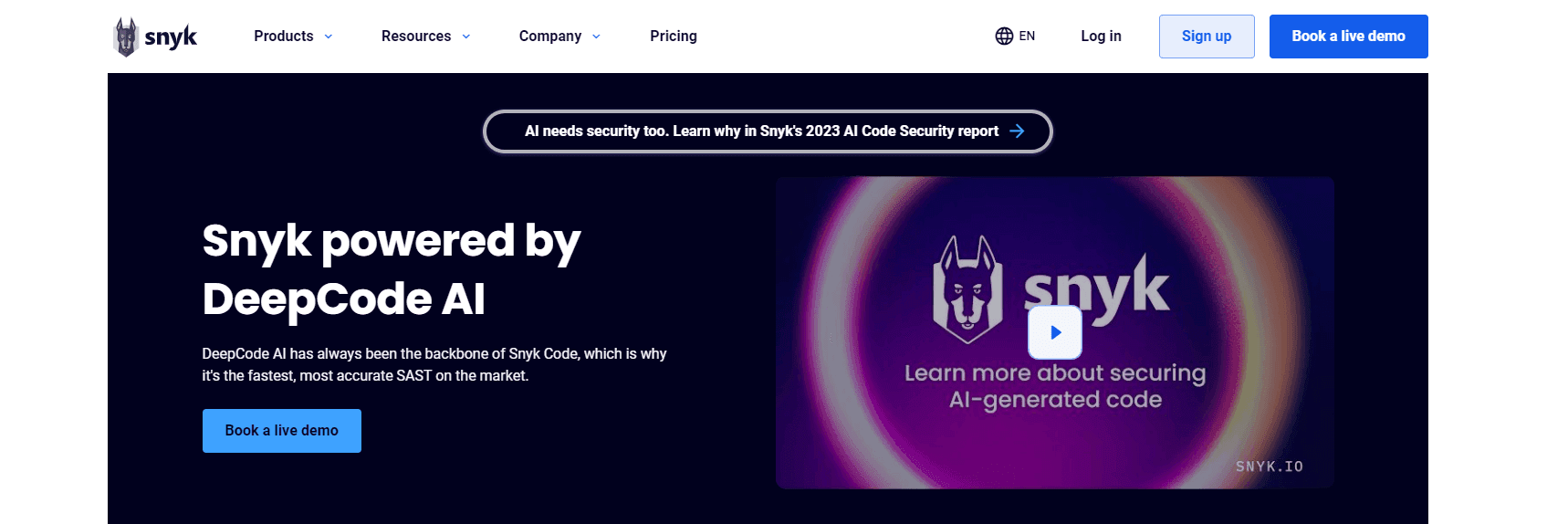
Part of Snyk, DeepCode AI focuses on security, identifying vulnerabilities as you code. Ideal for developers needing advanced security features, DeepCode integrates well with security tools like dependency scanning, so you get real-time vulnerability alerts. While it’s free for small teams, Enterprise Plans start at $25/month, positioning DeepCode AI as one of the most security-conscious AI tools on the market.
9. Hugging Face
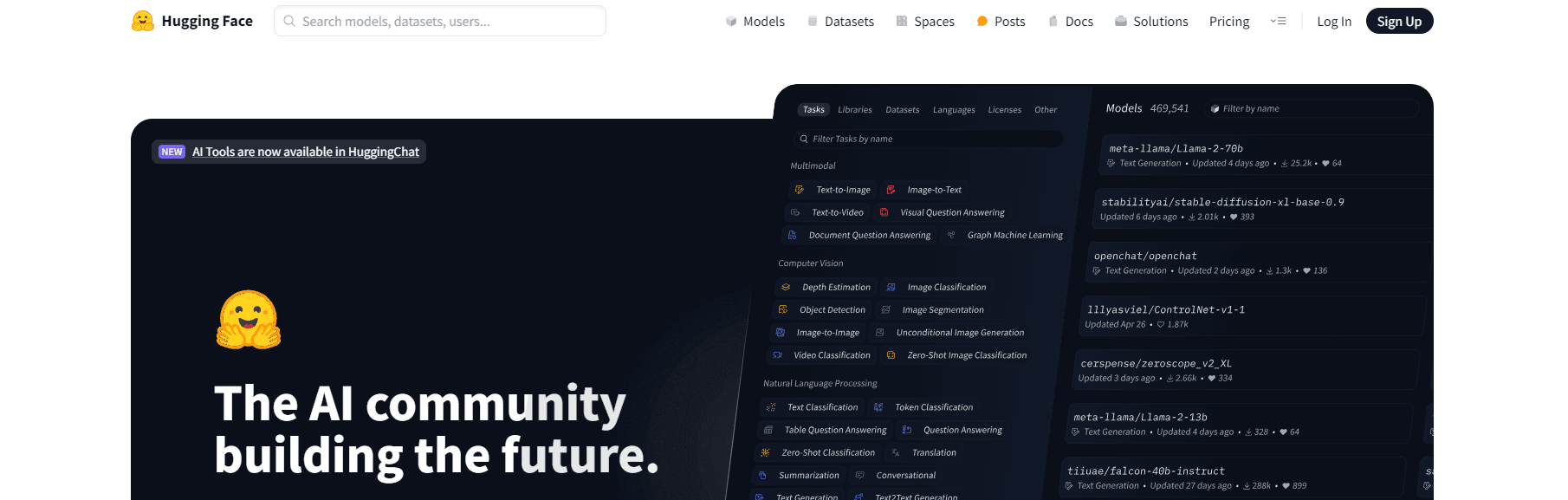
Hugging Face, a leader in open-source AI tools, offers CodeGen, a generative AI coding assistant based on its powerful NLP models. CodeGen generates and autocompletes code based on natural language prompts, making it easier to handle complex coding tasks. With a free tier and Pro plans from $9/month, it’s highly accessible and integrates well with other machine learning tools.
10. Amazon SageMaker

Amazon SageMaker provides machine learning capabilities that can be tailored for AI-driven coding tasks. With AutoML capabilities, it’s ideal for developers and data scientists who want to build custom ML models without coding. Amazon’s best AI tools for coding come with scalability and hyperparameter tuning, useful for advanced users and enterprise applications. Pricing is pay-as-you-go, depending on usage.
Choosing the Right AI Coding Assistant
When selecting an AI coding assistant, it’s crucial to consider the specific needs of your development team. Privacy and security are top priorities for many businesses, with tools like Tabnine offering local, on-device models. For larger teams, Replit’s Ghostwriter provides robust collaborative features, and CodeGex vs Copilot comparisons highlight which tools offer better context-aware suggestions. Tools like Codiga and Sourcery focus on code quality, ensuring best practices and reducing technical debt, while DeepCode AI integrates seamlessly with security protocols for developers needing vulnerability detection.
The Future of AI in Coding
As the AI coding assistant market expands, we’re likely to see even more innovative solutions for developers. Tools like GitHub Copilot and Sourcegraph Cody represent the future of coding by providing entire project contexts, debugging in real-time, and improving team collaboration. These generative AI coding assistants go beyond basic autocompletion to create a more seamless coding experience.With the demand for AI tools growing, coding assistants are likely to continue evolving, introducing advanced error detection, language support, and privacy features. As AI becomes a more reliable partner, developers will be able to focus on complex problem-solving, leaving repetitive tasks to their AI assistant.
AI coding assistants have quickly become essential for developers of all levels. With unique features like security support, refactoring suggestions, and real-time debugging, these tools help developers code faster and more efficiently than ever. As the best AI tools for coding continue to improve, developers can look forward to a future where AI seamlessly integrates with every step of the development process.




 Technology