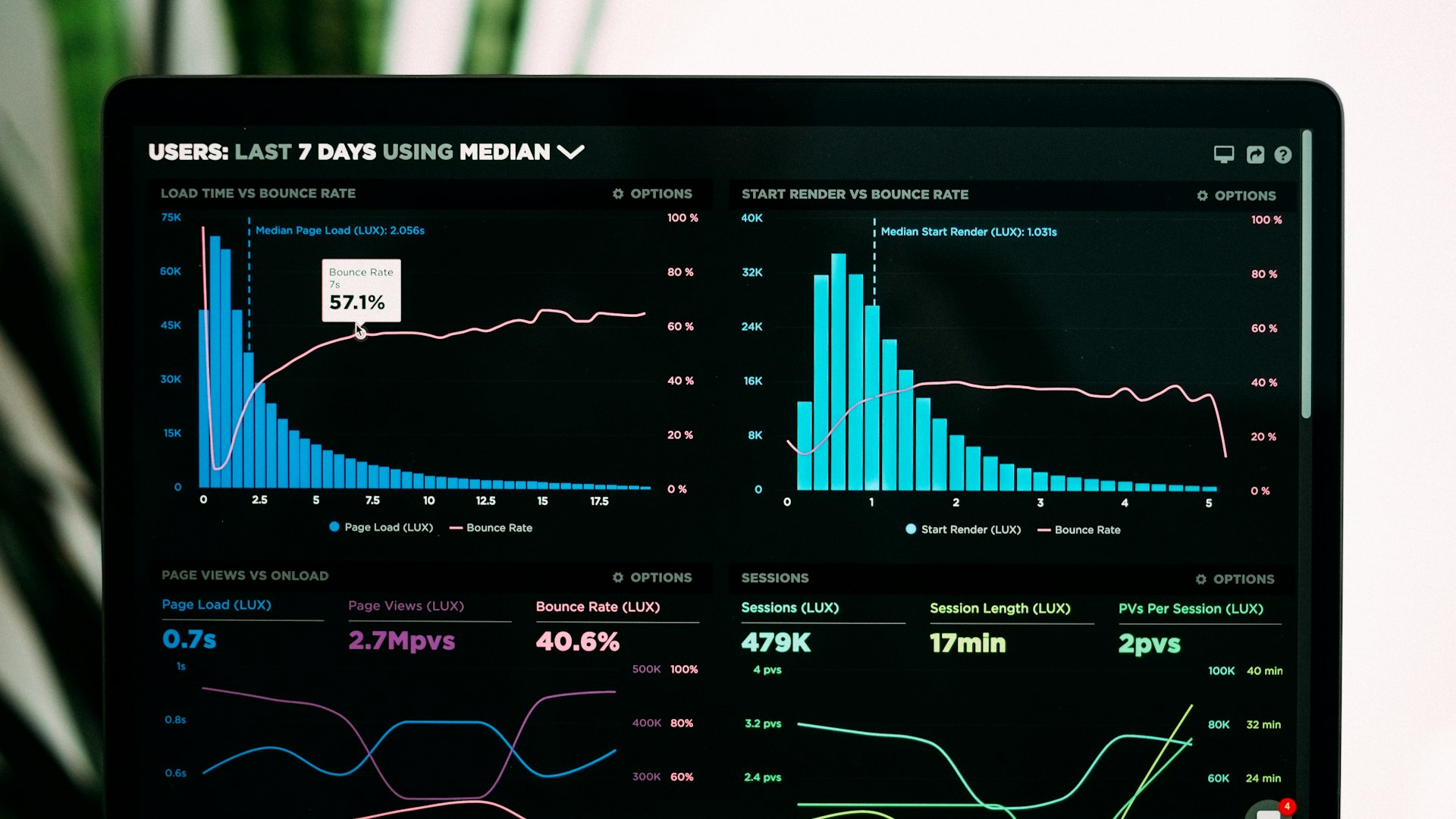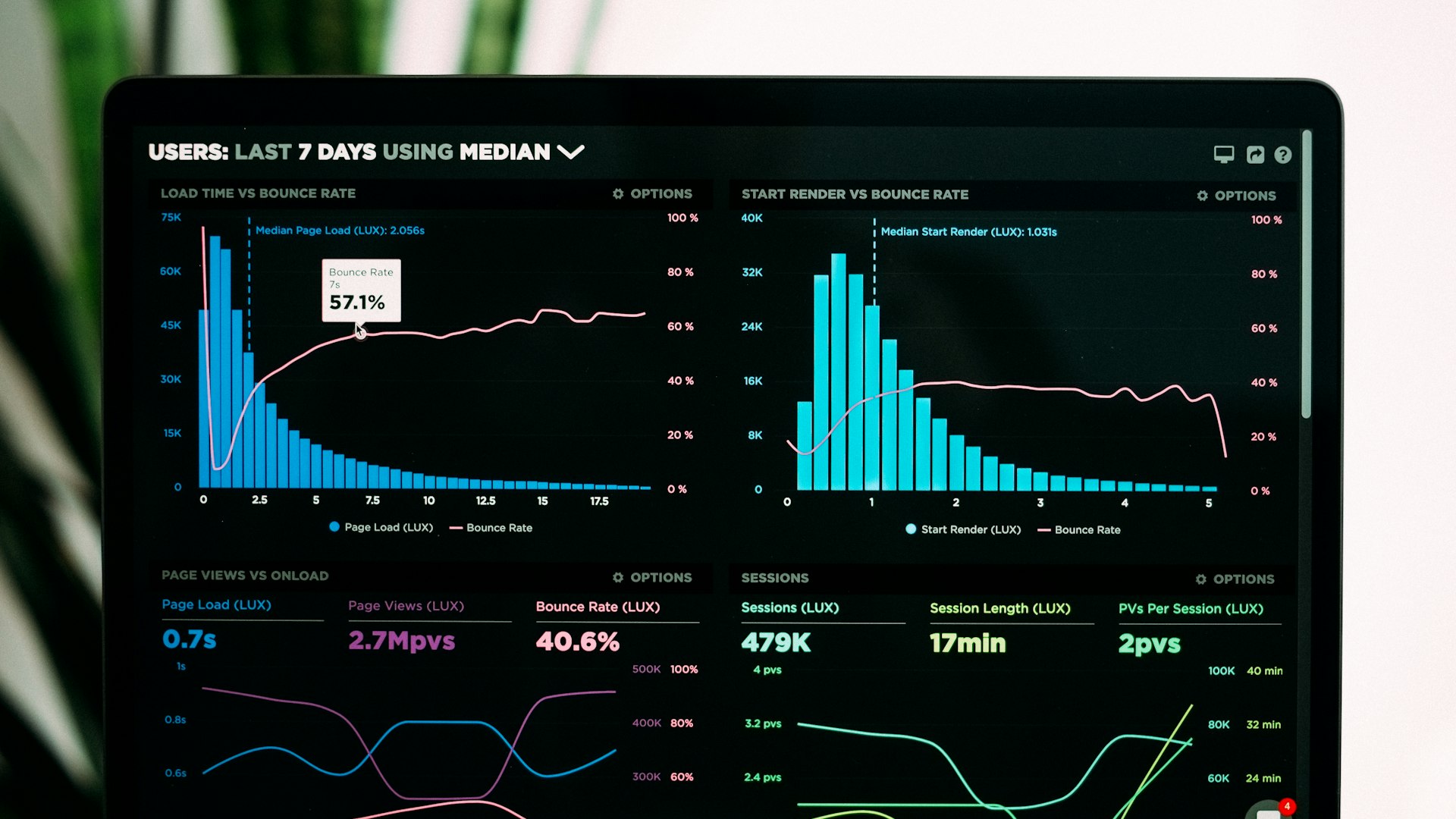

Client asks "was that campaign successful?" and you have 10 minutes to pull a coherent answer. This is a day-one skill on every SFMC engagement.
Here's where each metric lives in Email Studio, what it actually measures, and how to read it.
Where the numbers live
Email Studio > Tracking > Overview tab. Select the send job; the summary shows up.
The metrics, formulas, and benchmarks
| Metric | Formula | Benchmark |
|---|---|---|
| Sent | Audience size after removing Unsubscribed, Bounced, suppressed | - |
| Delivered | Sent - Bounced | - |
| Delivery Rate | Delivered / Sent | > 95% (healthy list) |
| Open Rate | Unique Opens / Delivered | 15-25% varies by industry |
| Click Rate | Unique Clicks / Delivered | 2-5% varies by industry |
| Click-to-Open Rate | Unique Clicks / Unique Opens | Measures content quality post-open |
| Bounce Rate | Bounces / Sent | < 2% healthy; > 5% investigate |
| Unsubscribe Rate | Unsubscribes / Delivered | < 0.5% healthy |
These benchmarks are rough ranges. Industry matters (retail vs B2B finance) and so does audience maturity.
The iOS 15 asterisk on Open Rate
Since Apple Mail Privacy Protection (iOS 15), Apple Mail automatically pre-loads the tracking pixel for every received email - even emails the subscriber never opens. Open rates for Apple-heavy audiences are inflated.
Consequences:
- Open rate is less trustworthy than it was pre-2021
- Click rate and click-to-open rate are the reliable engagement metrics
- A 40% open rate doesn't mean 40% engagement - it means Apple loaded the pixel for 40% of subscribers
Translate for clients: "open rate shows intent to deliver, not intent to engage. Click rate shows engagement."
Reading the numbers in practice
Delivery Rate 92% - investigate. 5-8% bounce rate means the list has quality issues. Run list hygiene (remove hard-bounced subscribers, check if a spam trap landed in the list).
Open Rate 8% on a marketing send - low unless the list is disengaged. Check:
- Subject line effectiveness
- From name recognition
- Send time
- Inbox placement (possibly ending up in Promotions/Spam)
Click Rate 0.3% on a typical promotional send - content isn't working. Either:
- CTA unclear or absent
- Content not relevant to audience
- Mobile rendering broken (buttons not tappable)
Unsubscribe Rate 2% - too high. Audit:
- Frequency - are subscribers getting too many emails?
- Content relevance - is the segment actually opted in to this content?
- Expectation mismatch - did signup page promise one thing and subscribers are getting another?
Finding clicks per link
Tracking > Click Activity > Link View for the per-link breakdown using Link Aliases (covered in the Link Alias post).
Email Overlay View in the same tab visualizes click density directly on the email image. Useful for client presentations - shows which CTAs perform at a glance.
Comparing multiple sends
Tracking > Compare Email Sends - not the Overview tab. Select multiple jobs, get side-by-side metrics.
Faster than exporting to CSV. Use it for seasonal comparisons (this year's sale vs last year's) or A/B test retrospectives.
Tracking retention
Data Views in SFMC (_Open, _Click, etc.) retain:
- Tracking data: 6 months by default
- Some event data: 2 years depending on contract
For longer retention, use Tracking Data Extract (covered in the next post) to archive to external storage.
Don't promise 2-year lookback in the UI without confirming retention.
Common pitfalls
Confusing Unique vs Total
- Unique Opens: distinct subscribers who opened
- Total Opens: every open event (one subscriber opening twice counts twice)
Always report Unique unless asked for total. Clients usually want "how many people engaged," not "how many events fired."
Including Bounces in Sent
Sent excludes hard bounces from the previous attempt (subscribers marked Bounced in All Subscribers). It includes what SFMC attempted to deliver.
Delivered = Sent - Bounced (this-send bounces).
Subtle but matters for rate calculations.
Missing Complaint Rate
Complaint Rate (Spam Reports / Delivered) should be < 0.1%. Above that, ISPs start blocking sends to protect their users. Many client reports omit it entirely.
Always include complaint rate in summary reports. It's the metric that predicts deliverability damage.
Dashboard for client summaries
When reporting to clients, standardize the summary:
Send: [Campaign Name]
Date: [Send Date]
Audience: [N subscribers]

Delivery:        Delivered / Sent (%)
Engagement:      Open Rate - note iOS caveat if Apple-heavy audience
                 Click Rate
                 Click-to-Open Rate
Retention:       Unsubscribe Rate, Complaint Rate
Top Link:        [Link alias, clicks]

Observations: [1-2 bullets on what stood out]
Same template every send. Clients learn to read it quickly.
Takeaway
Email Studio Tracking has every metric for the "was this send successful?" answer. Know the formulas, know the iOS 15 caveat on open rate, and always report Complaint Rate alongside the engagement metrics. 10 minutes per send to produce a coherent client summary, consistent format, actionable observations.
Building client reporting frameworks on SFMC accounts? Our Salesforce team standardizes campaign reporting and dashboards on production engagements. Get in touch ->
See our full platform services for the stack we cover.