
Client's VP of Marketing asks for "weekly performance summary in my inbox every Monday." They don't want to log into SFMC. They don't want to read CSV exports.
Email Studio Reports + Report Scheduling ships this in 30 minutes.
Here are the reports worth knowing and how to automate delivery.
Where to find Reports
Email Studio > Reports tab. Different from Tracking (per-send) - Reports run across sends, time windows, or Business Units.
The reports we use most
| Report | Use when |
|---|---|
| Account Send Summary | Monthly/weekly summary across all sends, for management |
| Email Performance by Domain | Check delivery by ISP (Gmail, Yahoo, Outlook) - during IP warming or deliverability investigation |
| Recent Email Send Summary | One-off report for a specific send |
| Email Sends by User | Audit trail - who sent what |
Each produces a structured output (CSV or PDF depending on delivery option).
Running a report
Pick the report, set:
- Date range
- Business Units (if Enterprise account)
- Filters (specific senders, specific audiences, etc.)
- Output format
Click Run. Report generates; you choose what to do with it.
Delivery options
After running, three choices:
- Save as Snapshot - stored in SFMC for later viewing
- Email the report - sent as CSV attachment to a list of email addresses
- Save to SFTP folder - deposited to SFMC SFTP for downstream systems to pick up
For management summaries, Email is simplest. For automated warehouse loading, SFTP.
Scheduling automated reports
Report Scheduling wraps a report to run on a schedule. Configure:
- Report type
- Frequency (daily, weekly, monthly)
- Time of day
- Delivery method (email, SFTP, snapshot)
- Recipients (if email)
Once configured, the report runs automatically. Client VP gets their Monday summary without anyone doing anything.
Example setup:
Report:     Account Send Summary
Schedule:   Weekly, Monday 8 AM
Delivery:   Email CSV to vp@client.com, cc cmo@client.com
Subject:    Weekly Email Performance - [Automated]
Report: Account Send Summary
Most-requested management report. Shows:
- Total sends in the period
- Average open rate, click rate
- Total unsubscribes, complaints
- Sends by Business Unit (if multi-BU account)
For clients with 10+ sends per week, this is the only report they need. High-level enough for executives, detailed enough to spot anomalies.
Report: Email Performance by Domain
Engineering tool. Breaks down delivery rate, open rate, bounce rate by recipient ISP (Gmail, Yahoo, Outlook, etc.).
When to check:
- During IP warming - are all ISPs accepting equally?
- When overall metrics look off - is one ISP causing the drag?
- After a big send - did any ISP start soft-bouncing aggressively?
Shows problems that aggregate numbers hide. Overall open rate 18%? Fine on the surface. Split by domain and find Gmail at 24% but Yahoo at 3% - Yahoo reputation issue to investigate.
Report: Recent Email Send Summary
Quick one-send summary with all the metrics. Use when a client asks "send me the performance on yesterday's send."
Faster than running a custom query. Use Email delivery - client gets the PDF/CSV attached.
Report: Email Sends by User
Audit trail. Lists sends by sender account.
When you need it:
- Client says "who sent that email this morning?"
- Investigating accidental production sends
- Compliance audit
Not used often, but valuable when it's needed. Bookmark the location.
Automating the management summary
The pattern we set up on most engagements:
Monday 8 AM report to the exec team:
  Account Send Summary, past 7 days
  CC: marketing ops lead

Friday 5 PM report to marketing ops:
  Account Send Summary, past 7 days
  Email Performance by Domain, past 7 days
  Send before weekend review
Two scheduled reports. Exec team gets a high-level Monday view; ops team gets a detailed Friday view. Neither team needs to log in.
Limitations to plan around
- Reports run on a delay - "yesterday's data" typically has the final numbers, real-time might still be updating
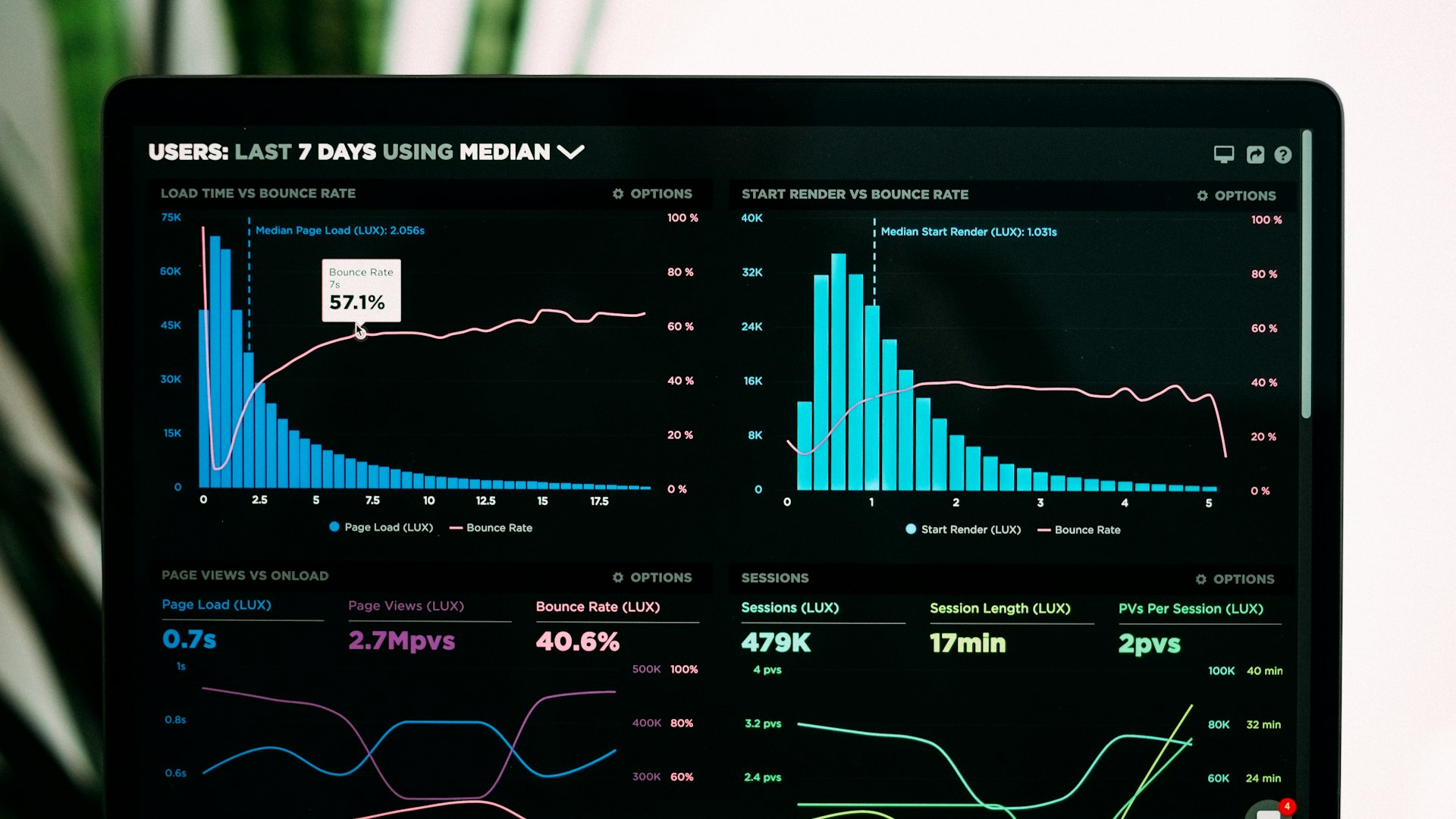
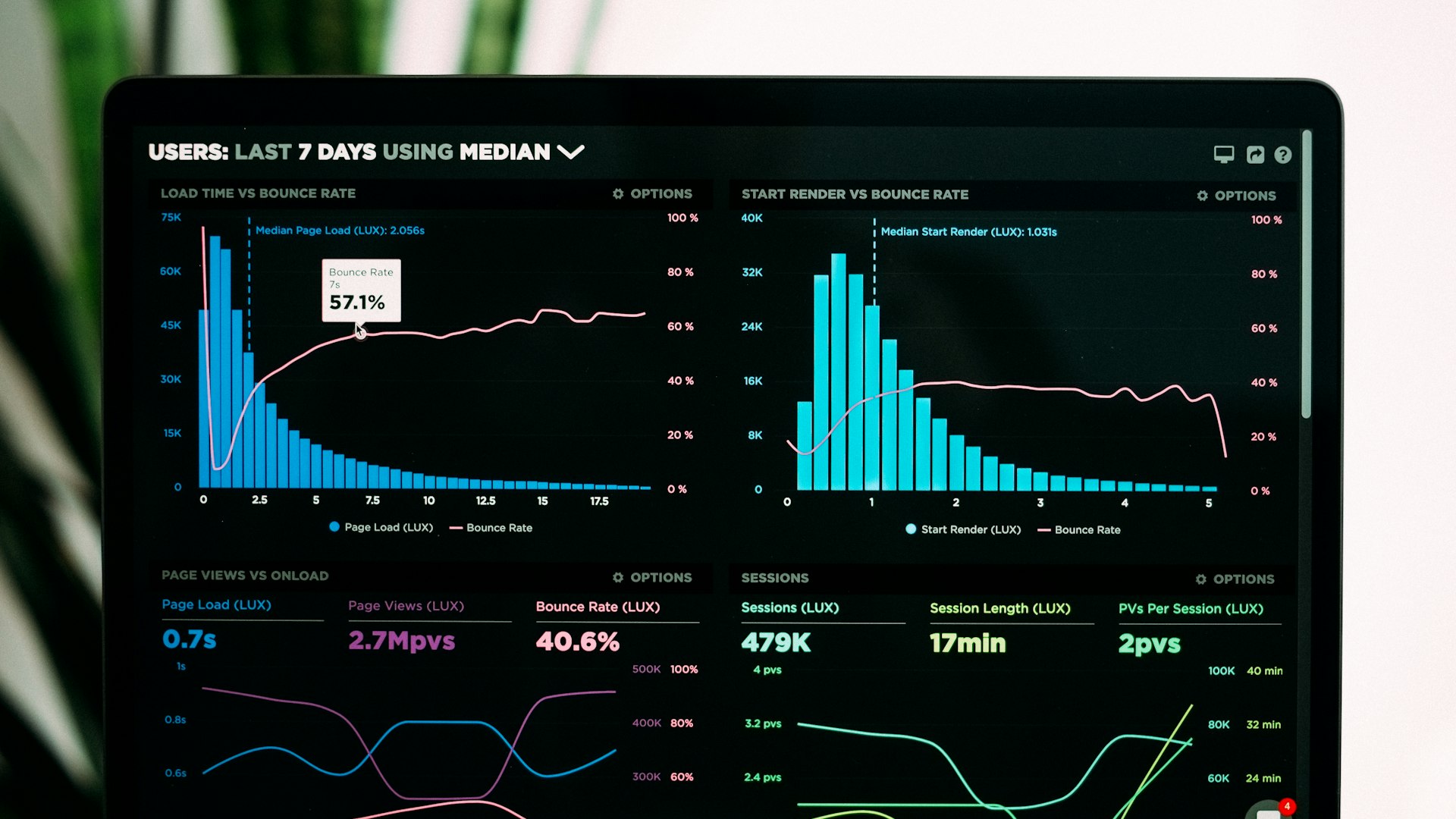
- Complex custom visualizations aren't possible in Reports - use Datorama for that (covered later)
- Cross-BU reports depend on account structure and permissions
For dashboards with live data and custom charts, Datorama / Intelligence Reports is the upgrade. For basic scheduled summaries, Reports is enough.
Common mistakes
Not setting up scheduling at kickoff
Manual weekly report generation consumes marketing ops time. If the client wants it weekly, schedule it. 30 minutes once, saved hours monthly.
Scheduling too many reports
Five different scheduled reports to the same stakeholder is spam. Consolidate. One weekly summary beats five narrower reports.
Misleading time windows
Monday morning report showing "past 7 days" overlaps the previous Monday's data. Use "past week completed" (Mon-Sun) instead, more natural to read.
Takeaway
Email Studio Reports + Report Scheduling covers the 80% use case of "automated summary to a stakeholder." Account Send Summary for executives, Email Performance by Domain for deliverability engineers. Set up at kickoff, hand the client a link to their scheduled reports, and marketing ops gets back hours they were spending on manual exports.
Setting up client reporting automation on SFMC? Our Salesforce team builds scheduled report infrastructure tailored to client stakeholder needs on production engagements. Get in touch ->
See our full platform services for the stack we cover.